Introduction
In today's swiftly evolving food market, businesses are looking for lasting remedies to satisfy the expanding demand for top quality food products while lessening their environmental effect. Contract food manufacturing has actually emerged as a practical choice for companies looking to outsource their production needs while keeping control over item advancement and quality control. This short article discovers the concept of contract food manufacturing in Australia as well as its function in advertising sustainability within the food industry.
The Surge of Contract Food Manufacturing in Australia
Understanding Agreement Food Manufacturing
Contract food production is a strategic partnership in between a brand name proprietor and an agreement supplier, where the latter creates products in support of the former. This setup permits brand name owners to concentrate on advertising, product advancement, as well as circulation while leveraging the expertise as well as sources of specialized agreement manufacturers.
Benefits of Agreement Food Manufacturing
Cost Effectiveness: Contract food manufacturing gets rid of the demand for substantial capital investments in infrastructure, tools, and manpower. This cost-saving measure allows brands to allot their resources in the direction of other critical locations of company growth. Scalability: As need for a specific item varies, contract suppliers can swiftly change production degrees to suit market requirements. This versatility guarantees that brands can meet customer demand without excess stock or wastage. Expertise and also Development: Contract suppliers often have comprehensive expertise as well as experience in certain food categories or processes. By teaming up with these specialists, brands can tap into their creativity and also harness innovative services for item development as well as improvement. Quality Guarantee: With stringent quality control steps in place, agreement producers stick to market criteria as well as governing demands. This dedication to excellence guarantees that brands supply risk-free and also top quality products to consumers consistently. Supply Chain Monitoring: Contract food manufacturing simplifies the supply chain by consolidating production, packaging, labeling, and also circulation under one roofing system. This incorporated strategy decreases logistical complexities as well as enhances general operational efficiency.The Ecological Effect of Contract Food Manufacturing
Reducing Carbon Footprint
Contract food manufacturing uses chances to minimize the ecological impact of food manufacturing via numerous methods:
Efficient Source Use: Contract producers optimize resource intake by applying energy-saving techniques, lessening water use, and decreasing waste generation. These lasting measures add to a reduced carbon footprint throughout the whole production process. Locally Sourced Ingredients: By sourcing ingredients from regional vendors, contract manufacturers reduce transport distances and connected exhausts. This technique supports regional economies while promoting sustainability within the supply chain. Eco-Friendly Product packaging: Agreement food manufacturers stress using eco-friendly packaging products, such as naturally degradable or recyclable choices. This dedication to sustainable product packaging reduces waste as well as cultivates accountable consumption.Embracing Sustainable Energy
Contract food manufacturing centers in Australia are significantly taking on renewable energy resources to power their procedures. Solar panels, wind turbines, and other clean energy solutions help in reducing dependence on nonrenewable fuel sources and add to a greener future for the industry.


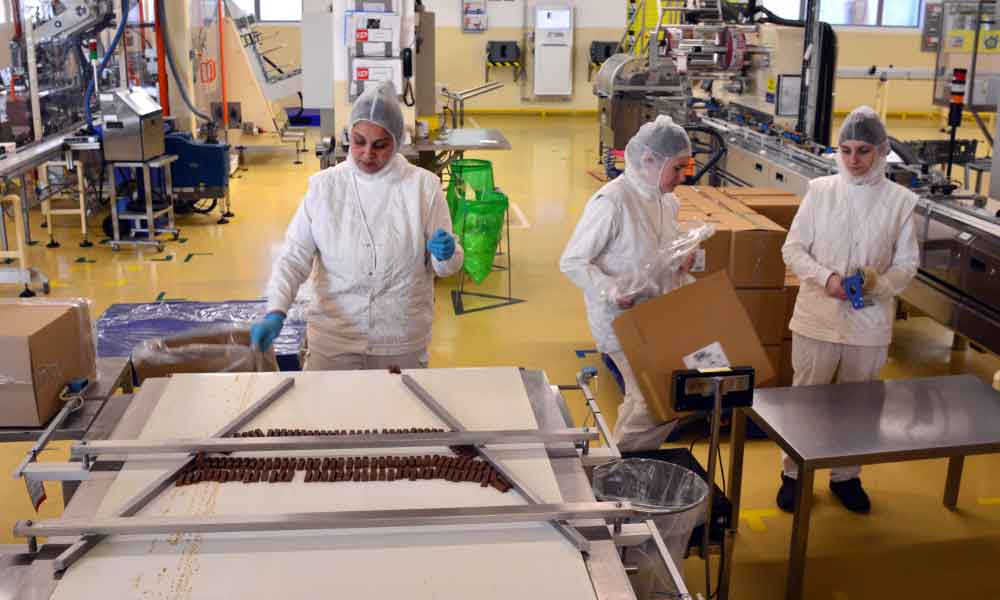
Addressing Sustainability Obstacles in Agreement Food Manufacturing
Waste Administration and Recycling Initiatives
Contract food suppliers focus on waste management with detailed recycling programs and also waste reduction approaches. By applying effective waste segregation systems, companies can divert substantial amounts of waste from land fills and also advertise a round economy.
Water Conservation Measures
Water deficiency is an international worry, and contract food suppliers play their part in resolving this difficulty. Business invest in water-saving technologies, such as advanced filtration systems as well as water reuse initiatives, to decrease their freshwater consumption.
Collaboration with Lasting Suppliers
Contract food manufacturers actively look for partnerships with providers committed to sustainable techniques. By prioritizing eco conscious suppliers, these business guarantee that their entire supply chain lines up with sustainability goals.
FAQs
contract food manufacturing brisbaneWhat is contract food manufacturing? Contract food manufacturing describes the outsourcing of food production to specialized makers that produce goods on behalf of brand owners.
How can contract food manufacturing benefit services? Contract food manufacturing provides expense performance, scalability, expertise, and quality control to brands seeking to focus on advertising and marketing and distribution.
How does contract food manufacturing promote sustainability? By optimizing source use, welcoming renewable energy, and also implementing waste monitoring as well as recycling initiatives, contract food manufacturing reduces its ecological impact.
What are some lasting product packaging choices in contract food manufacturing? Environment-friendly product packaging materials such as eco-friendly or recyclable options are commonly used in contract food manufacturing to minimize waste.
How do agreement food makers preserve water? Agreement food suppliers invest in water-saving modern technologies and carry out water reuse efforts to reduce their freshwater consumption.
What function does collaboration with lasting providers play in contract food manufacturing? By partnering with ecologically aware vendors, agreement food producers ensure that their entire supply chain aligns with sustainability goals.
Conclusion
Contract food manufacturing provides a lasting service for companies looking for to meet the expanding need for top quality food products while reducing their environmental influence. By leveraging the know-how of customized suppliers and also embracing green practices, brands can add to a greener future for the Australian food market. Embracing sustainability not just benefits the environment but additionally enhances brand name credibility and also customer rely on a progressively mindful market.